The Accidental Still Life: Wine Amongst the Flowers
How setting down a wine bottle in the garden became a lesson in recognizing photographic moments you didn't plan for.
An Unplanned Composition
Sometimes the best photographs aren’t planned—they’re discovered. I’d brought a bottle of wine outside for an afternoon in the garden when I set it down among the wildflowers and stopped mid-reach. The juxtaposition was too perfect to ignore: refined glass and cultivated fermentation nestled among nature’s untamed blooms.
This wasn’t a styled product shot with perfect lighting and intentional placement. This was pure serendipity, the kind of moment that reminds you to keep your camera close even during casual moments.
Or especially during casual moments.
The Story in Contrasts
What makes this image work isn’t just the technical execution—it’s the narrative tension between its elements:
The bottle: Dark, sleek, man-made. The product of human craft and patience, of vineyards and cellars and careful aging.
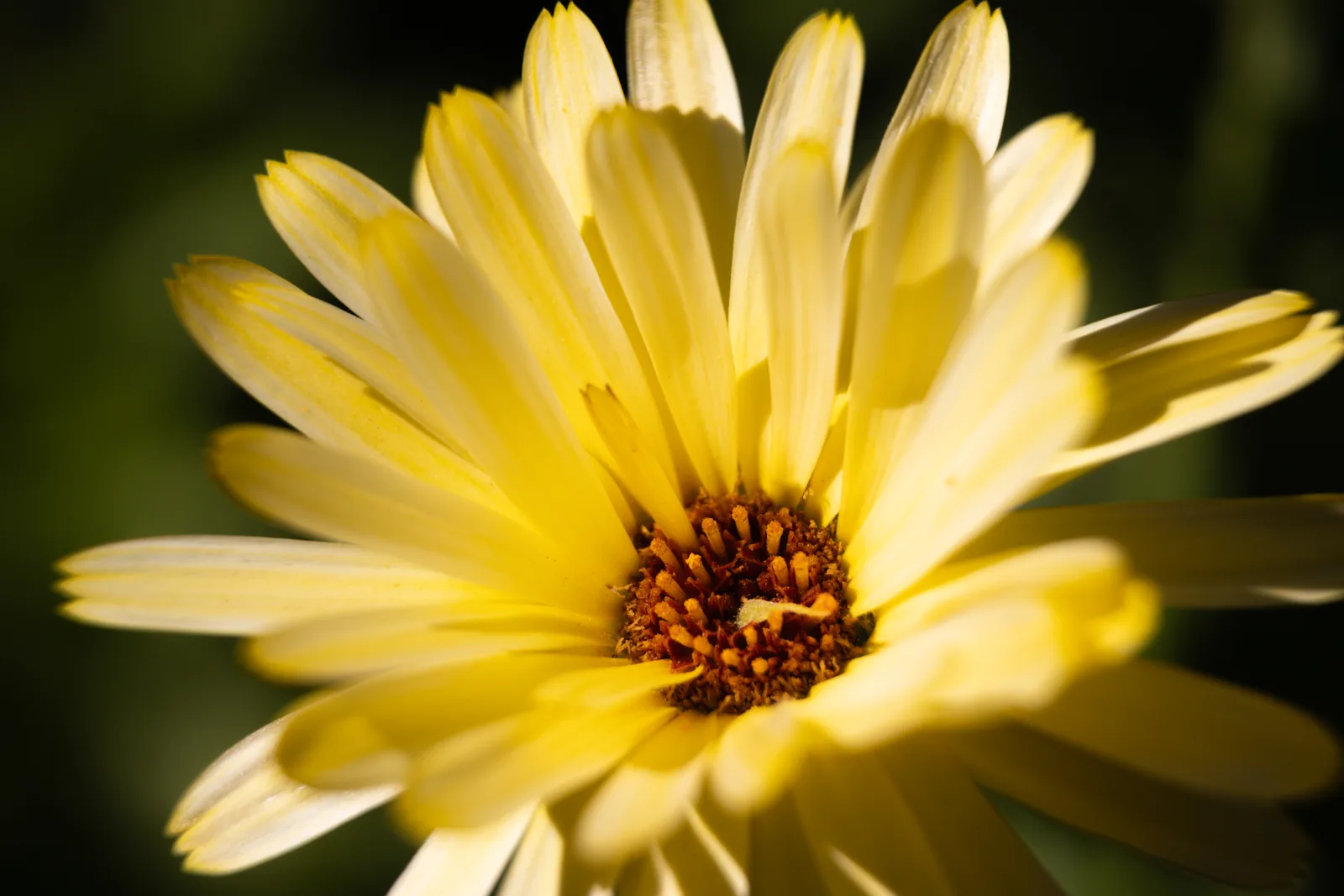
The flowers: Bright, organic, wild. The product of sun and soil and seasons, of pollination and growth without human intervention.
Together, they create a conversation about two kinds of cultivation, two approaches to beauty, two ways of marking time. The wine ages in darkness; the flowers age in light. Both are temporary, both are beautiful, both are worth savoring.
The Photography Challenge I Didn’t Expect
When I started my 30-day photography challenge, I thought it would be about learning to see light, master camera settings, and understand composition rules. All of that is true. But I didn’t expect it would also be about learning to recognize moments that weren’t on my shot list.
This wasn’t a planned photograph. It wasn’t even a photographic moment until I stopped long enough to see it become one. That pause—that moment of “wait, this is interesting”—is becoming more frequent the longer I practice photography.
I’m developing what I think of as a “photographer’s instinct”—a low-level awareness that’s always scanning for interesting light, unexpected juxtapositions, stories waiting to be told.
The Technical Approach
Once I recognized the moment, I had to figure out how to capture it. At f/5.0, I had enough depth of field to render both the wine bottle and the foreground flowers sharp, but not so much that the background became cluttered. The goal was context, not chaos.
The 38mm focal length provided a natural perspective—close to how our eyes would see the scene if we were sitting nearby. No dramatic wide-angle distortion, no compressed telephoto compression. Just honest documentation of an honest moment.
At 1/100s and ISO 100, I was capturing the soft, overcast light without introducing noise or motion blur. The even illumination was crucial here—harsh sun would have created distracting reflections on the glass and harsh shadows that would complicate the simple elegance of the composition.
The Color Palette That Nature Provided
Notice how the deep burgundy of the wine bottle echoes the deeper tones in the autumn flowers? That’s not Photoshop magic—that’s nature providing its own complementary color scheme. The warm oranges, reds, and yellows of the flowers wrap around the bottle like it belongs there, like it grew there.
This is what happens when you stop trying to force photographic opportunities and start recognizing them. The colors already worked. The composition already existed. My job was simply to see it and preserve it.
What This Taught Me About Still Life
Before this moment, I thought still life photography was a studio discipline—carefully arranged objects, controlled lighting, meticulous styling. And it can be that. But it can also be this: recognizing when life itself arranges a still life for you.
The term “still life” comes from the Dutch “stilleven,” meaning stationary life. It doesn’t require a studio or special equipment. It just requires stillness—both in the subject and in the photographer’s mind, creating space to notice what’s worth noticing.
The Invitation This Image Extends
If this image succeeds, it’s because it feels inviting. You can imagine sitting down next to that bottle, pouring a glass, and spending an hour just watching the flowers move in the breeze. No agenda, no schedule, just the simple pleasure of good wine and good light and the unhurried passage of an autumn day.
Sometimes photographs document moments. Sometimes they create longing for moments. This one does both.
The Developer’s Perspective
As someone who writes code professionally, I appreciate how this photograph embodies the concept of emergent complexity—simple elements combining to create something greater than their sum.
The bottle alone is just a bottle. The flowers alone are just flowers. But together, they create a narrative about cultivation, patience, and the different forms beauty takes. Neither diminishes the other; each enhances what the other brings to the composition.
In development, we call this composition over inheritance. In photography, maybe we call it serendipity over planning.
Learning to See Accidentally
This photograph taught me to maintain what Buddhists call “soft eyes”—a relaxed, open awareness rather than focused hunting. When you’re actively looking for something specific, you often miss what you weren’t expecting.
But when you cultivate that soft awareness—that readiness to notice without agenda—unexpected moments reveal themselves. The wine bottle becomes a still life subject. The morning coffee creates interesting steam patterns. The way light falls across your desk at 3 PM becomes worth documenting.
For Other Photographers
If you want to develop this kind of awareness:
Carry your camera more often. Even on non-photography days, even during casual moments. You can’t photograph what you don’t have your camera for.
Practice the pause. When something catches your eye, even briefly, stop and really look. Ask yourself: is there a photograph here?
Trust your instincts. If something feels interesting, photograph it—even if you’re not sure why. You can analyze the appeal later.
Look for juxtapositions. Human-made + natural, temporary + permanent, wild + cultivated. Contrasts create narrative.
Don’t dismiss “casual” moments. Some of your best work might happen when you’re not in “photographer mode.”
Related Reading
If the idea of serendipitous photography appeals to you, these posts explore similar themes:
- Finding Forgotten Kingdoms - Another unexpected discovery and what it revealed about impermanence
- Permanence and Its Opposite - Exploring juxtaposition through stone and flowers
- Patience and the Busy Bee - More on cultivating “soft awareness” that reveals photographic moments
Why This Image Works
Beyond the technical execution and serendipitous discovery, this photograph works because it’s relatable. Most people have experienced this kind of afternoon—the simple pleasure of wine and flowers and unstructured time. The image taps into that universal desire for unhurried moments in our hurried world.
It’s aspirational without being unattainable. You don’t need to travel somewhere exotic or have rare equipment. You just need to notice when ordinary things arrange themselves into something worth preserving.
Prints Available
This photograph resonates with those who appreciate the intersection of cultivation and wildness, human craft and natural beauty. It’s the kind of image that works equally well in a kitchen, dining room, or any space dedicated to the pleasures of unhurried living.
View in Gallery | Order a Print
The Bigger Lesson
Every time I look at this image, I’m reminded that some of the best photographs aren’t found by seeking—they’re found by noticing. By maintaining that soft awareness that allows unexpected moments to reveal themselves.
The wine was just wine, and the flowers were just flowers, until I paused long enough to see them become something more together. That pause, that noticing, that willingness to recognize a photographic moment you didn’t plan for—that might be the most important skill photography teaches.
And it’s a skill that extends far beyond the camera.
What accidental compositions have you discovered? I’d love to hear about your serendipitous photographic moments. Share your stories below—we can all learn from each other’s unexpected discoveries.