Finding Forgotten Kingdoms: The Abandoned Treehouse
Stumbling upon a childhood dream slowly being reclaimed by the forest—and why abandoned places photograph the stories we need most.
Discovering Ruins
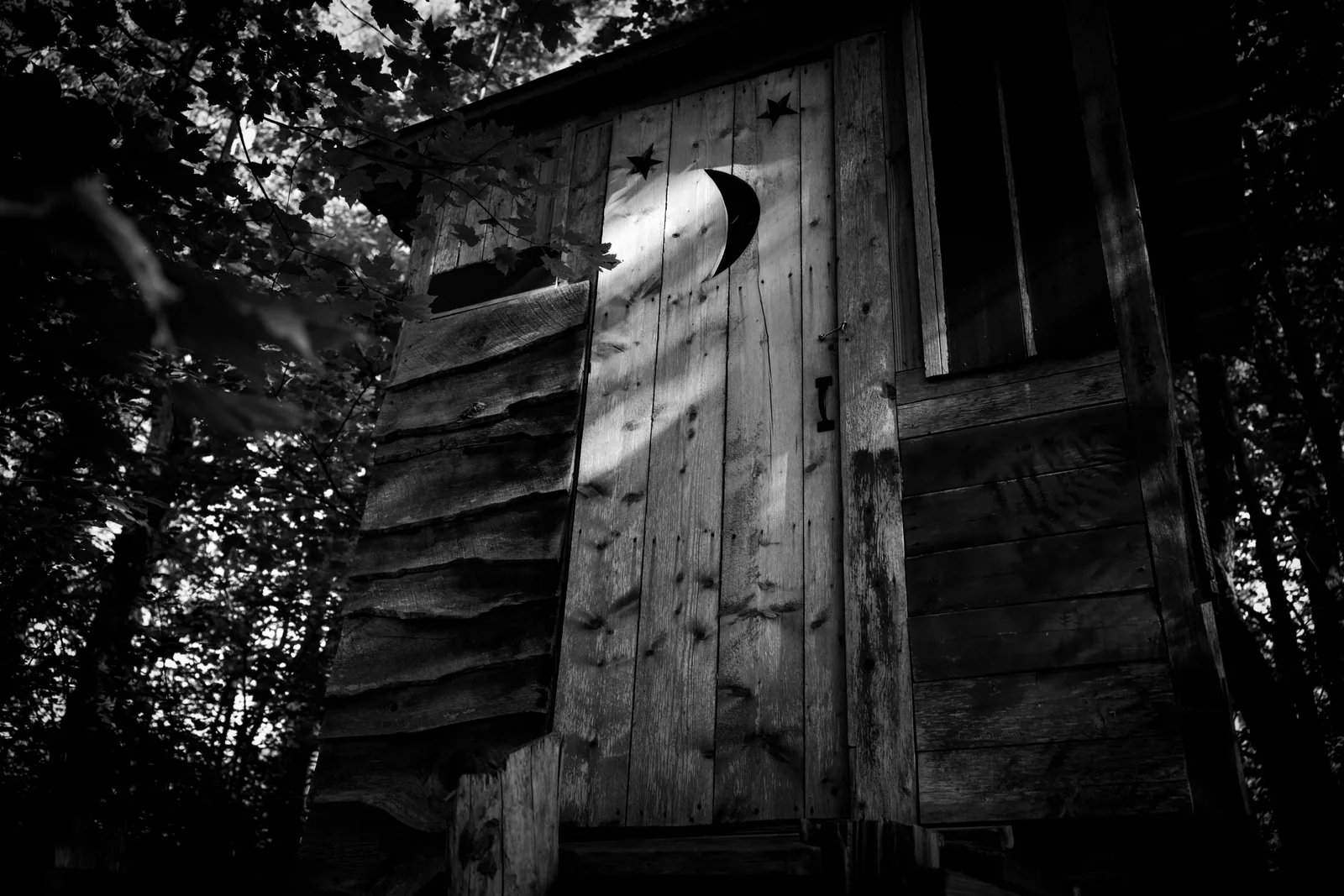
Deep in the woods of Tilton, New Hampshire, I stumbled upon what was once someone’s secret empire. A treehouse—not the polished, magazine-worthy kind, but the real deal. Weathered planks. Rusty nails. Vines creeping through cracks in the walls. The kind of place that held a thousand summer adventures before time and nature decided to take it back.
Standing beneath it, I felt like an archaeologist discovering ruins. But instead of ancient civilizations, I was witnessing the slow, inevitable reclamation of a childhood dream.
The Story Written in Wood and Vine
Every element of this scene tells a chapter of its history:
The weathered wood, once bright and new, now silvered by countless seasons. The overgrown vines, patient and persistent, weaving through gaps that weren’t there when this structure was built. The surrounding canopy, closing in like nature’s arms folding around something it never truly released.
Someone built this. Hauled lumber through these woods. Hammered nails. Probably skinned a knee or two in the process. They sat up there on summer evenings, looking out over their domain, feeling like the king or queen of this particular forest kingdom.
And now? Now it belongs to the trees again.
Why Abandoned Places Resonate
There’s something universally poignant about abandoned places, especially those tied to childhood. We’ve all left something behind—not just physically, but metaphorically. Dreams that didn’t pan out. Passions that faded. Versions of ourselves we’ve outgrown.
This treehouse is all of that made tangible. It’s beautiful in its decay, dignified in its surrender to time. The vines aren’t destroying it; they’re honoring it, turning it into something new—part treehouse, part sculpture, part living memorial to whoever’s childhood dream this once was.
The Technical Challenge: Shooting in Deep Shade
Photographing in dense forest is one of photography’s quiet challenges. The light is low, patchy, and constantly shifting as branches move in the wind. This isn’t the kind of environment where you can just point and shoot.
Here’s what I was working with:
f/2.8: Wide open to maximize light gathering in the deep forest shade while creating gentle separation between subject and surroundings.
1/30s: This is slow for handholding. Really slow. But it was necessary for proper exposure. I had to use careful breathing technique, press against a tree for stability, and take multiple shots to ensure at least one was sharp.
ISO 250: High enough to get proper exposure without going so high that noise would distract from the atmospheric quality.
28mm: The wide angle was crucial—it allowed me to show not just the treehouse, but its relationship with the surrounding forest. The context matters here. This isn’t just an abandoned structure; it’s a structure being actively reclaimed.
The Lesson in Impermanence
What strikes me most when I look at this image is the reminder that nothing stays the same. The forest doesn’t judge or hurry—it simply continues its patient work, day by day, season by season, until the distinction between what was built and what was grown becomes impossible to determine.
There’s a strange comfort in that. Even our abandonments, our failures, our forgotten dreams don’t just disappear—they transform, becoming part of something larger, something that continues without us.
The Photographer’s Journey
When I first started this photography challenge, I was drawn to obviously beautiful subjects—colorful flowers, dramatic landscapes, perfect light. But I’m learning that some of the most compelling stories exist in the spaces between beauty and decay, in the moments where nature and human creation blur together.
This treehouse wouldn’t win a “pretty picture” contest. It’s not vibrant or cheerful. But it’s honest. And that honesty creates an emotional resonance that perfect beauty sometimes lacks.
What This Image Taught Me
1. Slow Down for the Shot
At 1/30s, I couldn’t just snap a quick photo and move on. I had to slow down, breathe carefully, brace myself properly. This forced deliberation made me more thoughtful about composition and timing.
2. Context is Everything
A tighter shot of just the treehouse would have documented the structure. But pulling back to show the encroaching forest tells the story. Always ask yourself: what’s the story here, and what elements need to be in frame to tell it?
3. Embrace “Imperfect” Subjects
Not everything needs to be magazine-cover beautiful. Sometimes the most powerful images are the ones that document reality, decay, change, and impermanence.
4. Work Within Constraints
Low light? Slow shutter speed? Dense forest? These constraints forced creative problem-solving. Constraints aren’t limitations—they’re parameters that define your creative solution.
The Digital Developer’s Take
As someone who works in code, I appreciate the parallels between legacy systems and abandoned structures. Both were built with intention, served their purpose, and eventually became obsolete. But they don’t disappear—they persist, requiring either active maintenance or gradual sunsetting.
This treehouse is a sunset in progress. It’s being decommed by the forest in the gentlest possible way. There’s something poetic about that—a reminder that endings don’t have to be violent or sudden. Sometimes they’re patient, transformative, and even beautiful.
For Other Photographers
If you want to photograph abandoned structures effectively:
Consider the story: Why does this place matter? What narrative do you want to convey?
Show context: The relationship between structure and environment often tells more than the structure alone.
Work with available light: Don’t fight it—understand it and work within its constraints.
Multiple exposures: In challenging light, take several shots to ensure you get one with the sharpness and exposure you need.
Respect the space: These places have histories. Photograph them with the dignity they deserve.
Related Reading
If the themes of impermanence and transformation spoke to you, explore:
- Permanence and Its Opposite - A deeper meditation on time, decay, and what endures through the lens of a garden statue
- The Accidental Still Life - More on recognizing unplanned photographic moments and serendipity
- Creative Block and Breakthrough - How working through creative challenges reveals unexpected insights
The Meditation on Time
Every time I look at this photograph, I’m reminded of Ozymandias—not the destructive “look on my works” kind of decay, but the gentler surrender to natural forces. This treehouse isn’t falling apart in defeat; it’s being integrated back into the forest it was built from.
That transformation—from human creation back to natural element—is a kind of immortality. The treehouse won’t last, but it will never truly disappear either. The wood will feed the soil, support new growth, become part of the forest’s ongoing story.
Maybe that’s the best we can hope for with anything we create: not permanence, but meaningful transformation.
Prints Available
This photograph resonates particularly with those who appreciate the beauty in impermanence, the dignity in decay, and the poetry of nature’s patient reclamation. It’s a meditation piece—the kind of image that rewards contemplation.
View in Gallery | Order a Print
Final Reflection
Childhood kingdoms don’t really disappear. They transform. The treehouse becomes part of the forest. The child becomes the adult. The dream becomes the memory that shapes who we are.
And sometimes, if you’re lucky and paying attention, you find these places again. You stand there with a camera, trying to capture not just what is, but what was and what’s becoming. Trying to honor the dreams that were dreamed here, even if you never knew the dreamer.
That’s what photography does at its best—it honors moments, places, and stories that deserve to be remembered, even as they transform into something new.
Have you discovered any abandoned places that told powerful stories? I’d love to hear about them—and see your photographs if you’ve captured them. Share in the comments below.