Understanding Light: A Beginner's Guide to Natural Photography
Three weeks into my photography challenge, I'm finally starting to see and understand light. Here's what I've learned about working with natural lighting.
The Light Bulb Moment
After three weeks of daily photography practice, I finally had what I can only describe as a “light bulb moment”—quite literally. I was sitting in a coffee shop when the late afternoon sun streamed through the windows, casting these incredible soft patterns on the walls and tables. For the first time, I truly saw the light.
What I Wish I’d Known Earlier
As someone new to photography, I initially focused on subjects—what to photograph. But I now understand that light is the actual subject of every photograph. Everything else is just how light interacts with the world.
The Three Key Lessons
1. Direction Creates Mood
The same subject can tell completely different stories based on where the light comes from:
Front lighting (light behind the camera):
- Even illumination, good for details
- Can be flat and less dramatic
- Safe choice for beginners
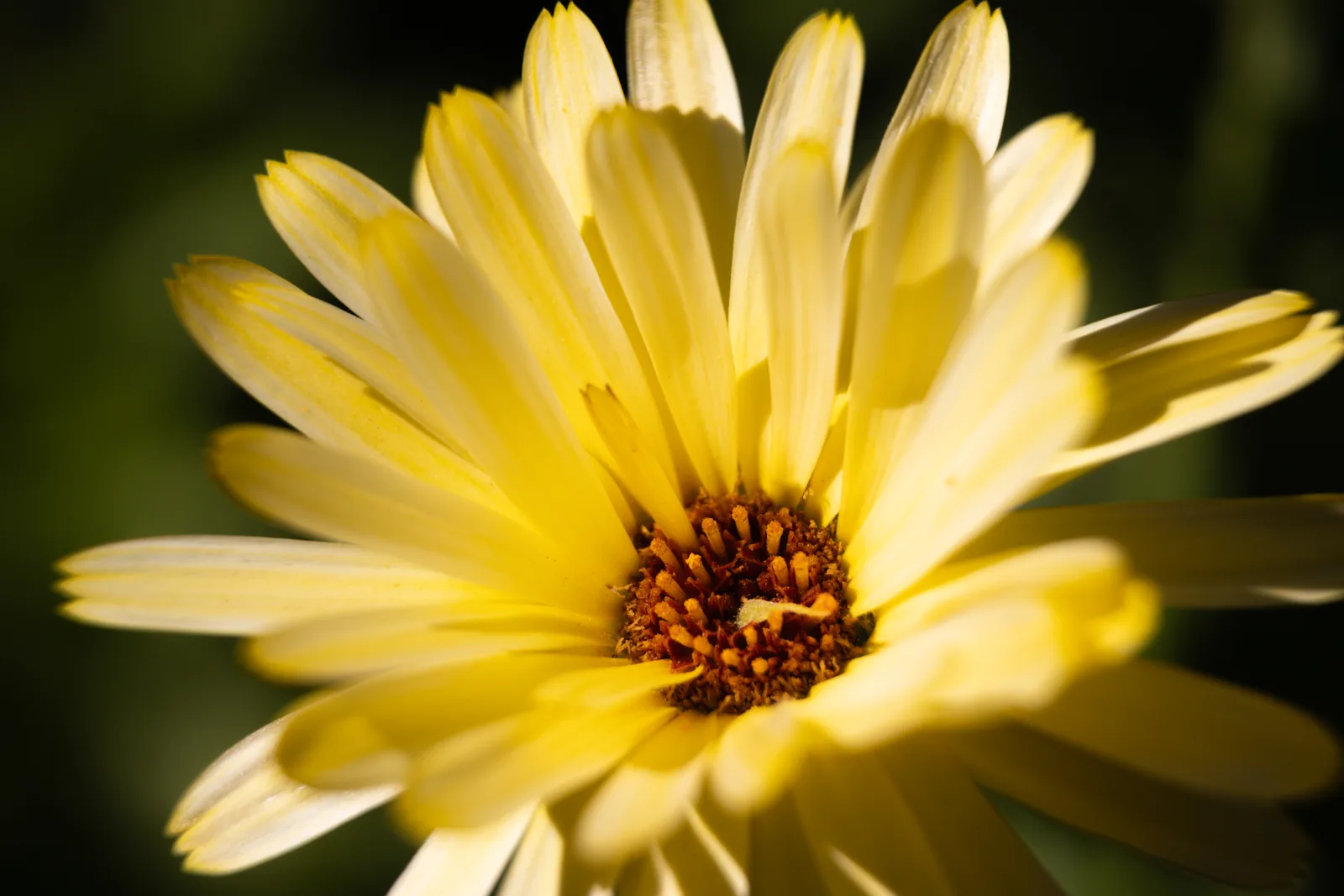
Side lighting (light from the side):
- Creates depth and dimension through shadows
- Reveals texture and form
- My current favorite for portraits
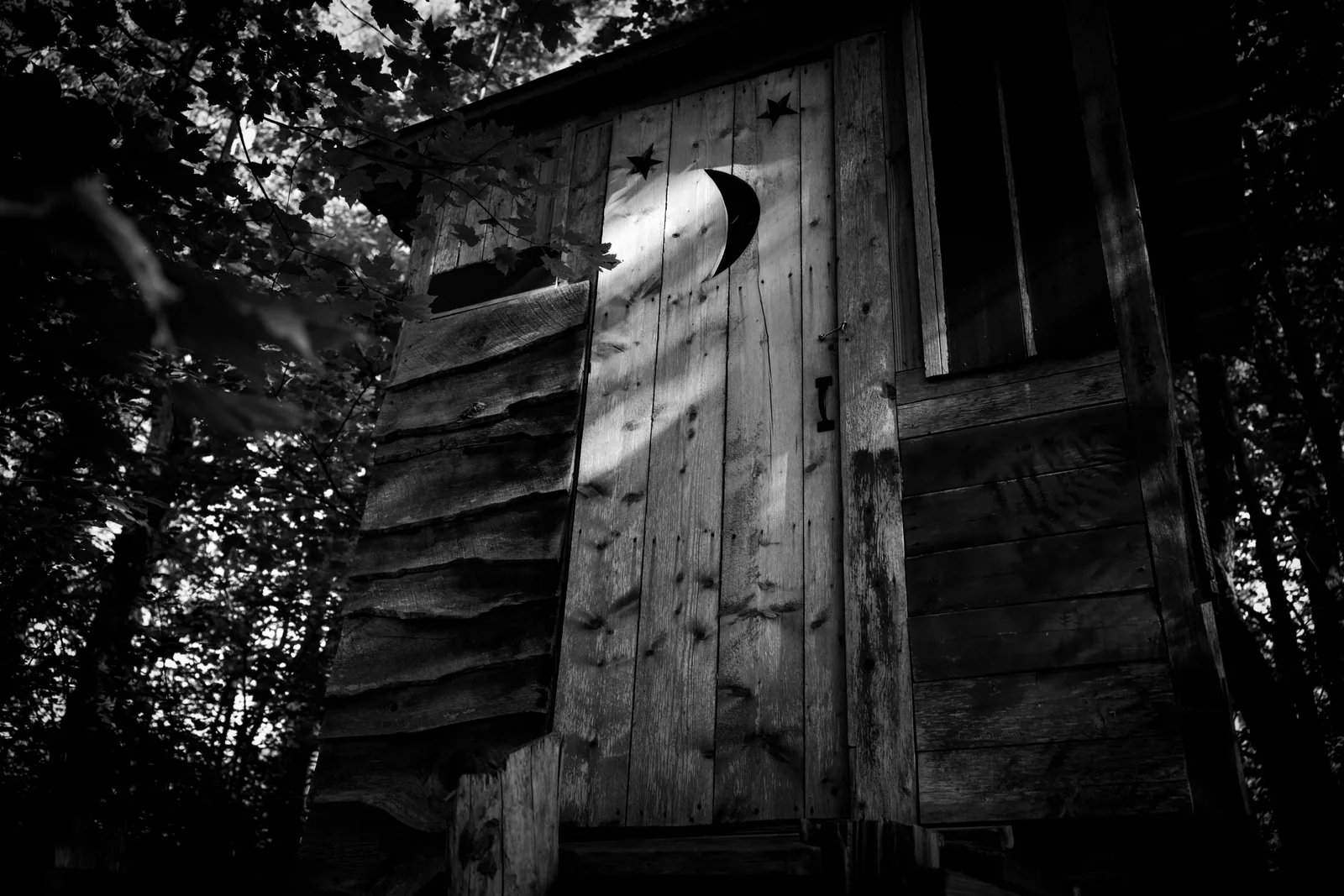
Back lighting (light behind the subject):
- Creates silhouettes and rim lighting
- Dramatic and artistic
- Requires careful exposure decisions
2. Quality Changes Everything
Hard light (direct, unfiltered):
- Sharp, defined shadows
- High contrast
- Great for dramatic effects
- Challenging for beginners
Soft light (diffused through clouds, windows, etc.):
- Gentle shadows with soft edges
- Lower contrast
- Flattering for portraits
- More forgiving for new photographers
3. Time of Day Matters
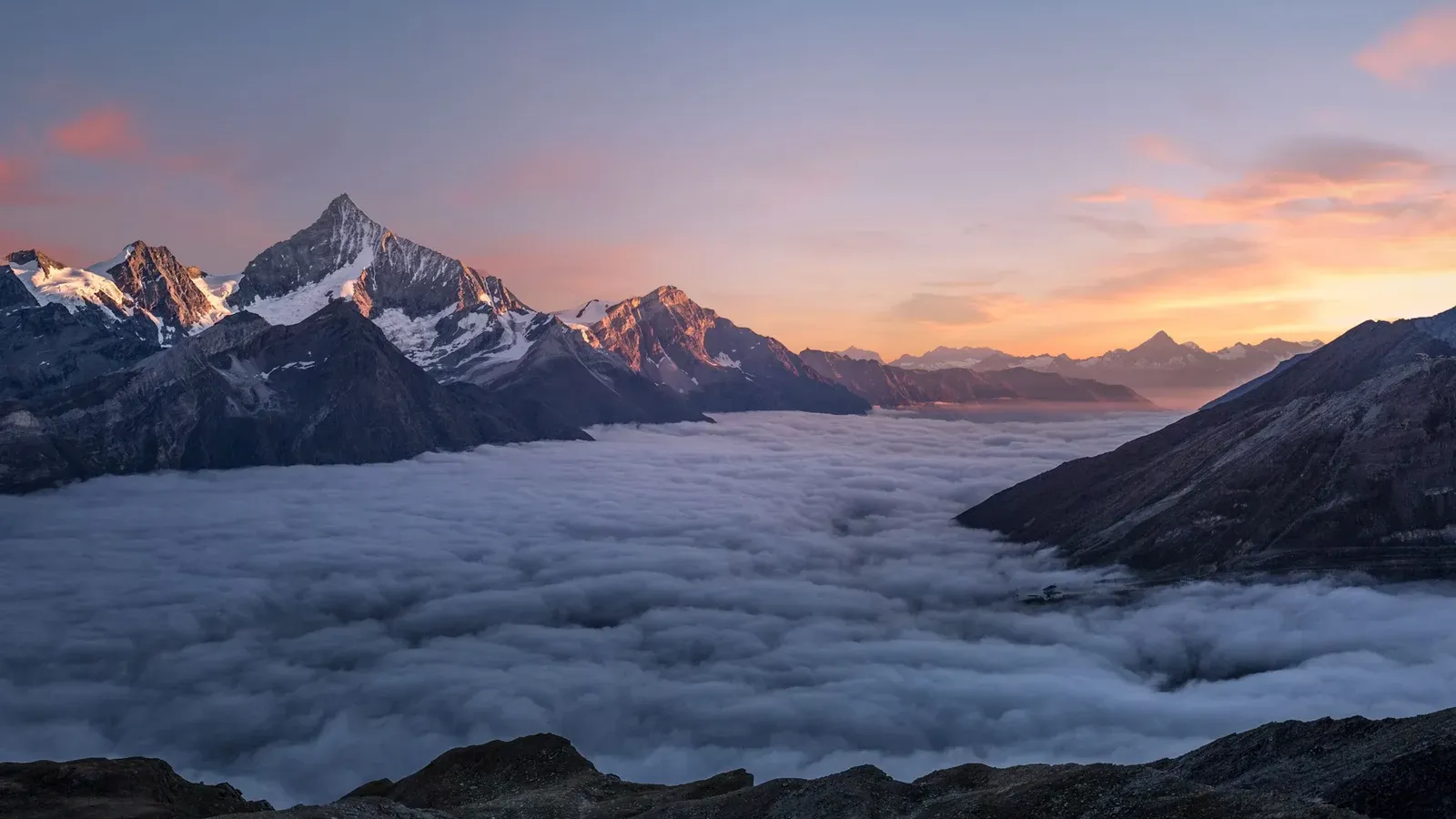
Golden Hour (hour after sunrise/before sunset):
- Warm, golden color temperature
- Low angle creates interesting shadows
- Naturally flattering light
- Worth waking up early for
Blue Hour (twilight):
- Cool, even light
- Great for cityscapes
- Requires higher ISO
Midday (harsh overhead sun):
- Strong, directional light
- Deep shadows under eyes/nose
- Can work for abstract/architectural photos
- Generally avoided for portraits
Practical Techniques I’ve Learned
Window Light is Magic
My apartment has become my primary studio. The large west-facing window provides:
- Soft, directional light for portraits
- Changing quality throughout the day
- Easy to control with curtains
- Perfect for still life photography
The “Hand Test”
Before photographing a subject, I hold my hand near it to see:
- Where shadows fall
- How harsh or soft the light is
- Whether I need to adjust my position
Shooting in RAW
This was intimidating at first, but shooting in RAW format gives me flexibility to:
- Adjust exposure in post-processing
- Recover highlight/shadow details
- Correct white balance issues
- Learn from mistakes without re-shooting
Common Beginner Mistakes (That I Made)
1. Ignoring the Background
I was so focused on my subject that I missed distracting elements in the background. Now I consciously check how light affects the entire frame.
2. Fighting the Light
Initially, I tried to force photos in poor lighting conditions. Now I either wait for better light or move to a different location.
3. Over-Editing
When I discovered post-processing, I went overboard trying to “fix” lighting issues. I’ve learned that good light captured in-camera requires minimal editing.
The Developer’s Approach to Learning Light
My programming background actually helps with understanding light:
Systematic observation: Like debugging code, I now systematically observe how light behaves in different conditions.
Iteration and testing: I take multiple shots with slight variations to understand cause and effect.
Pattern recognition: After hundreds of photos, I’m starting to recognize lighting patterns and predict how they’ll affect my images.
Tools That Help
Light Meter Apps
Using my phone’s light meter app helps me understand exposure values and how they change throughout the day.
Golden Hour Calculators
Apps like PhotoPills tell me exactly when golden hour occurs, helping me plan shoots.
Weather Apps
Cloud cover predictions help me plan for the type of light I’ll encounter.
Current Challenges
Indoor Lighting
Artificial lighting still confuses me. Mixed lighting sources (window + lamp) create color temperature issues I’m learning to handle.
Moving Subjects
Static subjects are forgiving with light. People and animals move, and the light that looked perfect a moment ago might not work for their new position.
What’s Next
I’m planning to:
- Practice with artificial lighting using simple LED panels
- Study master photographers to see how they use light
- Experiment with reflectors to control and shape natural light
- Take a workshop on portrait lighting
The Bigger Picture
Learning to see light has changed how I experience the world. I notice the quality of light in restaurants, the way shadows fall on buildings during my morning walk, and how the color of light changes throughout the day.
It’s similar to how learning to code changed how I think about problem-solving—photography is changing how I observe and interact with my visual environment.
Follow my daily experiments with light on the challenge page, and see how this understanding evolves in my photo gallery.